
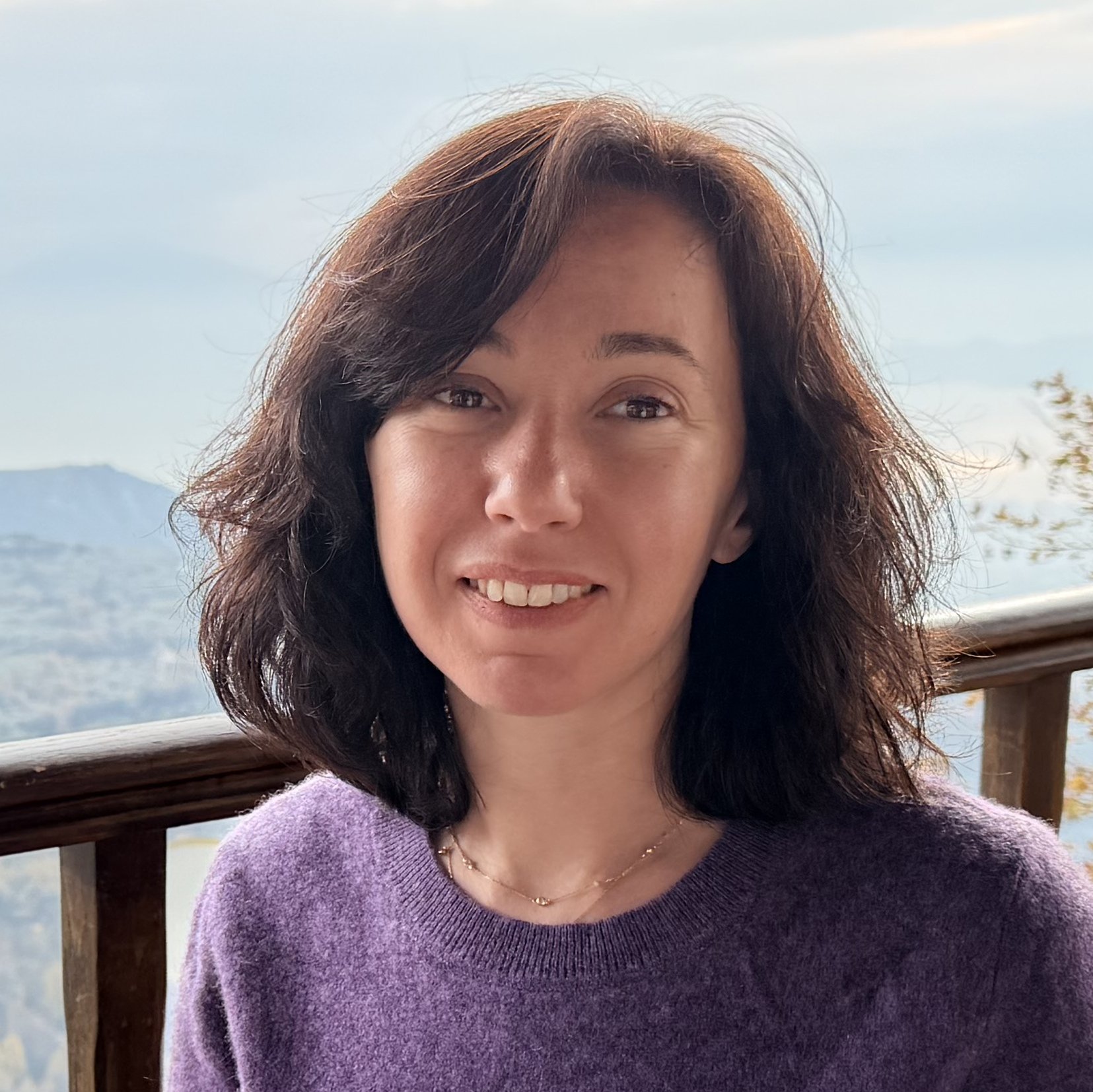
Marianthi (Marianna) Karageorgi
Lecturer
University of Melbourne
Marianna is an incoming Lecturer in Genomics (Autumn 2026) in the School of Biosciences at the University of Melbourne. She studies how organisms adapt to novel environments across evolutionary timescales, particularly the causes and consequences of adaptation to natural and human-made toxins. Her research combines functional genomics, experimental evolution, and field studies to connect molecular mechanisms of adaptation with their ecological and evolutionary consequences.
Marianna completed her PhD in France with support from a Marie Sklodowska-Curie Fellowship, where she studied the evolution of an adaptive egg-laying preference in the invasive pest Drosophila suzukii (Karageorgi et al, 2017). During her postdoctoral research at the University of California, Berkeley, she led research on how monarch butterflies evolved resistance to toxins produced by their host plants (Karageorgi et al., 2019; Weksler et al., 2026).
In the Petrov Lab (2020–2025), supported by an NIH K99 Pathway to Independence Award, Marianna studied how strong, temporally-varying insecticide selection can maintain resistance and alter patterns of seasonal evolution, in collaboration with the lab of Paul Schmidt at the University of Pennsylvania. In particular, she demonstrated that beneficial reversal of dominance under temporally varying insecticide selection can maintain an insecticide-resistance polymorphism (Karageorgi et al., 2025). In close collaboration with Egor Lappo, a graduate student in the Rosenberg lab, she is investigating how strong insecticide selection affects the phenotypic and genomic basis of seasonal adaptive tracking (Karageorgi*, Lappo* et al., in preparation).

